treatments are included in the chiropractic scope of practice
treatments are included in the chiropractic scope of practice
The chiropractic scope of practice centers on the non-surgical, non-drug management of spine and neuromusculoskeletal problems, utilizing manual techniques, selected physical–therapy–type modalities, and advice. Exact permissions vary by jurisdiction, but the major treatment categories below are typical.
Core manual treatments
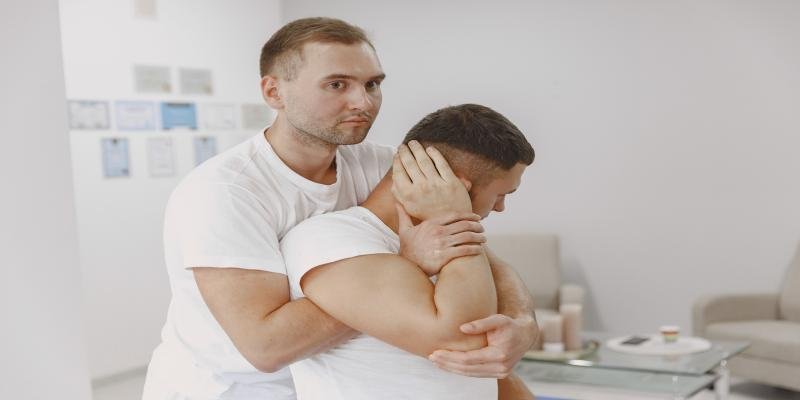
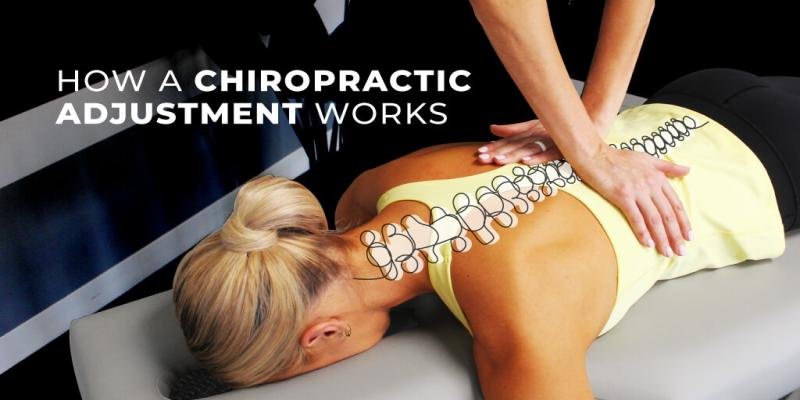
- Spinal manipulation and mobilization of the vertebral column to improve joint motion, reduce pain, and influence neuromuscular function.
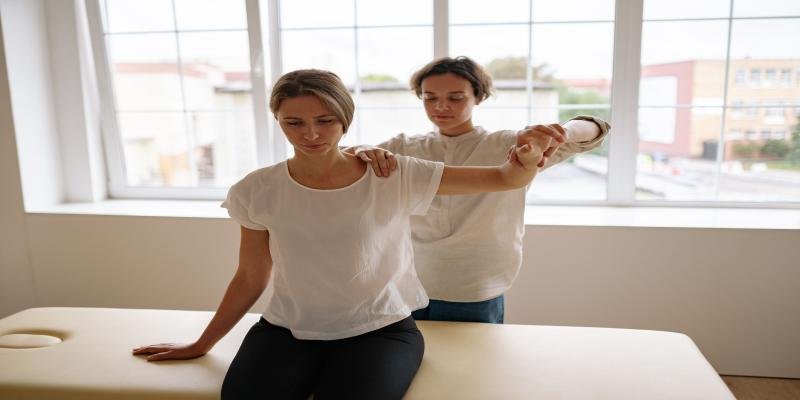
- Extremity joint adjustments (shoulder, hip, knee, ankle, etc.) for mechanical joint problems and related pain.
- Specific named techniques such as Diversified, Gonstead, Thompson drop‑table, Activator, Cox flexion‑distraction, and similar high‑velocity or low‑velocity manual methods.
Soft‑tissue and manual therapy
- Soft‑tissue therapies including massage, myofascial release, trigger‑point therapy, ischemic compression, and similar hands‑on muscle/ fascia work.
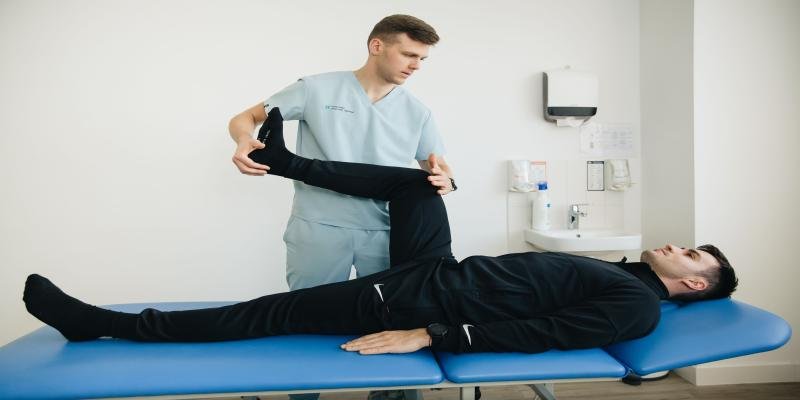
- Stretching, spray‑and‑stretch, and other techniques to address muscle tightness and improve flexibility.
Physical agents and modalities
- Thermal modalities such as heat and cold therapy (ice packs, hot packs, hydrotherapy, paraffin baths) to reduce pain and inflammation.
- Mechanical modalities like traction/decompression (static or intermittent) for certain spine conditions.
- Electrotherapies and related modalities where allowed, such as ultrasound, interferential therapy, micro‑current, Russian stimulation, and other low‑ or high‑volt galvanic treatments.
Exercise, rehab, and supports
- Prescribing and supervising therapeutic exercise programs: stretching, strengthening, stabilization, and postural exercises, sometimes using specific systems like McKenzie therapy.
- Rehabilitation plans after musculoskeletal injury to restore function and prevent recurrence.
- Use and prescription of orthotics, braces, ergonomic supports, and similar external aids where permitted by local law.
Counseling and non‑procedural services
- Assessment, diagnosis, and management of neuromusculoskeletal conditions, including history, examination, and ordering or interpreting certain imaging within legal limits.
- Patient education and counseling on posture, ergonomics, activity modification, and sometimes nutrition and broader lifestyle advice if allowed
In most jurisdictions, chiropractors are specifically excluded from performing surgery or prescribing most medications, and must refer patients to medical professionals when problems fall outside this musculoskeletal‑focused scope.