Panchakarma- ancient Ayurvedic detoxification therapy
Panchakarma is an ancient Ayurvedic detoxification therapy designed to cleanse the body of toxins, balance doshas, and promote overall rejuvenation. It involves a structured process tailored to individual health needs after an initial consultation. The therapy unfolds in three main phases: preparation, main detoxification, and post-treatment care.
Core Phases
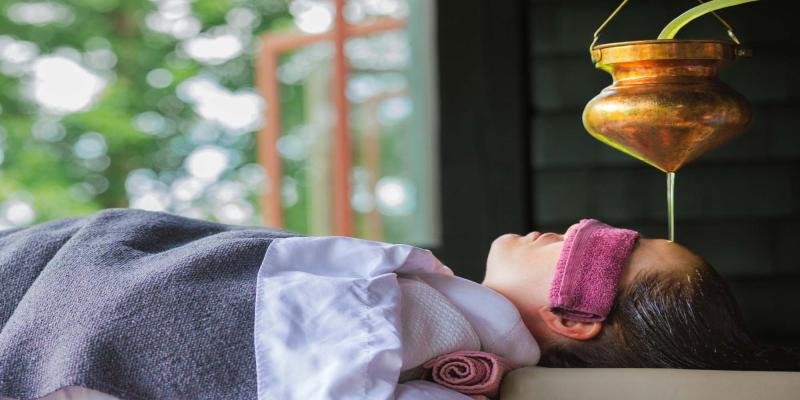
Panchakarma begins with Purvakarma, where oleation (snehan) using medicated oils and fomentation (swedana) like steam baths loosen toxins from tissues. The Pradhana Karma phase includes five key procedures—vamana (therapeutic vomiting), virechana (purgation), basti (enemas), nasya (nasal administration), and occasionally rakta moksha (bloodletting)—selected based on doshic imbalances. Paschatkarma follows with dietary guidelines and lifestyle adjustments to sustain benefits.
Health Benefits
The therapy aids deep detoxification, improves digestion, boosts immunity, and reduces stress for enhanced mental clarity. It also supports disease prevention and rejuvenation by restoring energy balance.
Potential Risks
When supervised by experts, side effects are rare and mild, such as temporary fatigue, headaches, or nausea during detox. Improper execution at home risks inefficacy or harm due to lack of diagnosis and expertise. Always consult a qualified practitioner for safety.
Panchakarma is a classical Ayurvedic detox and rejuvenation program believed to restore balance among body, mind, and spirit by removing accumulated toxins and recharging the body's natural healing capacity.
Overview
- Core idea: Balance the three doshas (Vata, Pitta, Kapha) through a personalized sequence of therapies to improve health and vitality.
- Core components: The name itself means “five actions,” referring to five main therapeutic procedures used to cleanse the body.
Key therapies (the five actions)
- Vamana (therapeutic vomiting): Aimed at reducing excess kapha, often used for respiratory and certain digestive imbalances.
- Virechana (purgation): Detoxifies the liver and intestines, addressing pitta-driven conditions.
- Nasya (nasal administration): Cleanses the head region, supports cognitive function and sinus health.
- Basti (enema): Cleanses the colon; used for balancing vata-related conditions and supports gut health.
- Raktamokshana (blood purification) and optional variants: In some lineages, therapies targeting blood impurities are included; practices vary by tradition.
Typical process and goals
- Pre-treatment: Dietary adjustments, herbal preparations, and internal oil massages (Abhyanga) to loosen toxins and prepare the body.
- Internal purification: Administered therapies according to individual constitution and seasonal considerations.
- Post-treatment: Rejuvenation phase with light foods, rest, and lifestyle guidance to consolidate benefits.
Reported benefits (at a glance)
- Detoxification and improved digestion, metabolism, and energy flow.
- Enhanced immunity and stress reduction, with potential mood and sleep benefits.
- Improved skin health, joint flexibility, and overall vitality.
Note: Reported benefits vary by individual, and scientific evidence ranges from supportive to limited depending on the specific therapy and condition.
What to consider before undergoing Panchakarma
- Individual constitution (dosha), health status, and medical history should guide whether and which therapies are appropriate.
- Qualified practitioners are essential due to the invasive nature of some procedures and the need for personalized supervision.
- Not all populations should undergo Panchakarma, such as certain pregnant individuals, people with severe systemic illness, or those with specific medical contraindications.
Choosing a center or practitioner
- Look for practitioners trained in traditional Ayurveda with solid clinical credentials and adherence to safety standards.
- Inquire about the detox plan, duration, dietary regimen, contraindications, possible side effects, and aftercare.
- Seek options that provide individualized treatment plans rather than fixed protocols.
Considerations in modern health contexts
- Panchakarma is often marketed as a general wellness program in wellness centers and retreats, sometimes with claims beyond evidence-based medicine.
- It may complement conventional care when supervised by qualified professionals, especially for managing stress, digestive concerns, or chronic fatigue, but should not replace medical treatment for serious conditions.
If you’d like, I can tailor this overview to a particular audience (e.g., beginners, clinical researchers, prospective patients in a specific country) or compare Panchakarma to other detox or wellness approaches. Would you prefer a concise patient-friendly summary or a detailed, source-backed overview with common misconceptions addressed?