
Panchakarma Therapy
Panchakarma is a traditional Ayurvedic therapeutic approach that aims to cleanse and balance the body and mind. The word Panchakarma means “five actions,” referring to five classical procedures described in Ayurveda for eliminating accumulated doshas (Vata, Pitta, and Kapha).
The five procedures are traditionally described as:
Vamana – therapeutic emesis (medically supervised vomiting), traditionally associated with managing excess Kapha.
Virechana – therapeutic purgation to eliminate accumulated Pitta.
Basti – administration of medicated preparations through the rectum; Ayurveda considers this particularly important for disorders associated with Vata.
Nasya – administration of herbal oils or other preparations through the nasal passages.
Raktamokshana – therapeutic bloodletting, a historical Ayurvedic procedure that is less commonly practiced today.
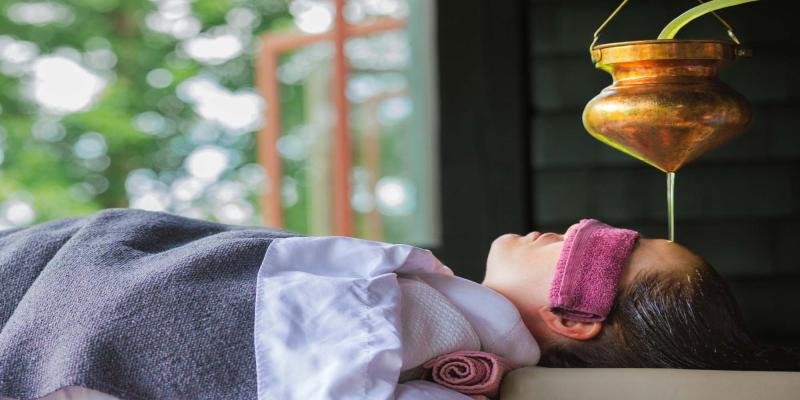
Panchakarma is generally described as having three stages: Purvakarma (preparatory procedures), the main cleansing procedure, and Paschatkarma (post-treatment care). Preparatory practices may include oil massage (Abhyanga) and induced sweating (Swedana), followed by dietary and lifestyle measures during recovery.
It is important to note that claims that Panchakarma “detoxifies” the body or cures diseases are not well established by modern scientific evidence. Some components, such as massage or relaxation practices, may provide subjective benefits, but procedures involving induced vomiting, purgation, enemas, or bloodletting can carry risks. Anyone considering Panchakarma should discuss it with a qualified healthcare professional, particularly if they have an existing medical condition or take medications.
Overall, Panchakarma is best understood as a traditional Ayurvedic system of therapeutic procedures, rather than a scientifically proven detoxification treatment.