Joint pain is a common musculoskeletal complaint that may result from osteoarthritis, rheumatoid arthritis, injuries, overuse, age-related degeneration, or other inflammatory and metabolic conditions. In Ayurveda, joint disorders are commonly understood through the imbalance of Doshas, particularly Vata Dosha, along with factors such as accumulation of Ama (metabolic waste or improperly digested material), impaired tissue nourishment, and disturbance of the musculoskeletal tissues.
Panchakarma is a group of classical Ayurvedic purification and therapeutic procedures intended to eliminate accumulated Doshas and restore physiological balance. Depending on the individual's constitution, disease condition, strength, age, and digestive status, an Ayurvedic practitioner may incorporate selected Panchakarma procedures as part of a broader treatment plan for joint-related disorders.
From an Ayurvedic perspective, many chronic joint disorders are associated with aggravated Vata. Symptoms such as pain, stiffness, restricted movement, dryness, and cracking of joints are often interpreted as manifestations of Vata disturbance. When Ama is considered to be involved, symptoms may include heaviness, stiffness, swelling, and inflammatory features.
Panchakarma is traditionally used with the objectives of:
The treatment is individualized rather than being a single standardized therapy for all forms of joint pain.
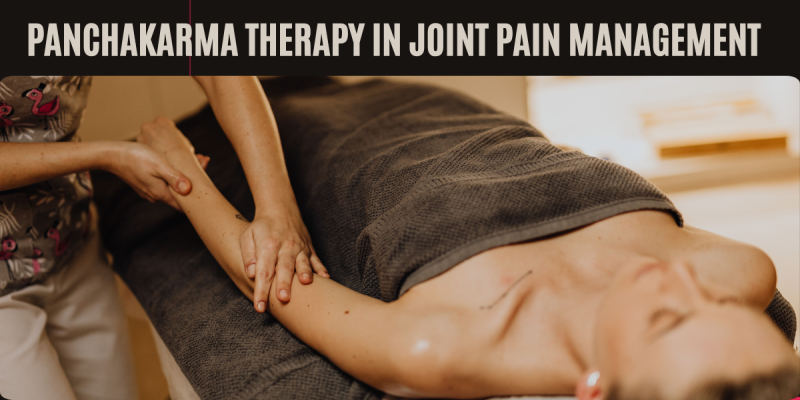
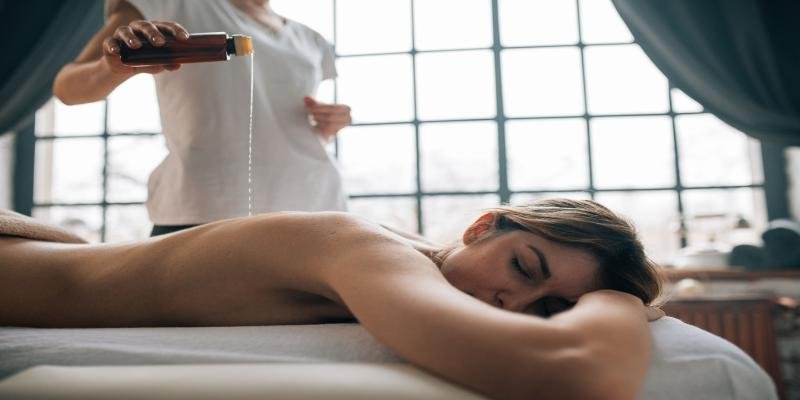
Snehana involves the internal or external administration of oils or other unctuous substances. External oleation, commonly performed through oil massage (Abhyanga), is particularly associated with Vata-related conditions.
In joint pain, oil massage may help reduce stiffness and improve comfort and mobility. Warm herbal oils are traditionally selected according to the patient's condition.
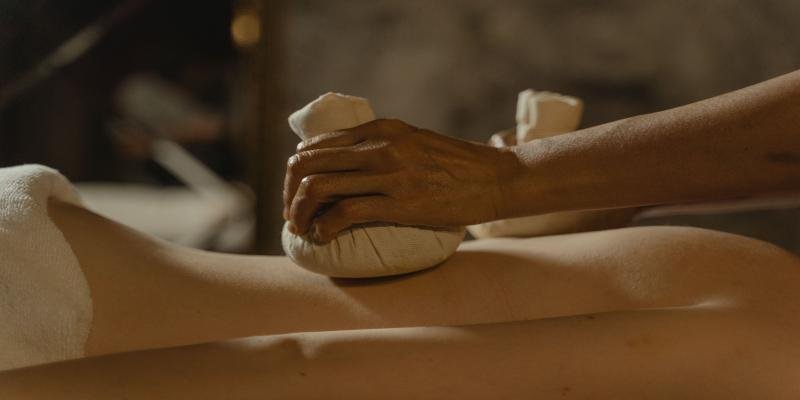
Swedana refers to therapeutic sweating or fomentation, often performed after oleation. Warmth may help relax muscles, reduce stiffness, and facilitate movement.
In Ayurvedic practice, localized or whole-body fomentation may be selected depending on the disorder. However, excessive heat may not be appropriate in every inflammatory or acute condition.
Basti is traditionally regarded as one of the most important therapies for disorders involving Vata Dosha. It involves the administration of medicated preparations through the rectal route under appropriate supervision.
In Ayurvedic descriptions, Basti is particularly relevant to disorders affecting the lower body, bones, joints, and nervous system. Different forms of Basti may be selected according to the patient's condition.
Virechana is a controlled therapeutic purgation traditionally used primarily in disorders associated with Pitta and certain systemic conditions.
It may be considered in selected patients when the Ayurvedic assessment indicates involvement of Pitta or other appropriate indications. It should not be performed routinely for every person with joint pain.
Nasya involves administering selected medicated substances through the nasal passages. It is traditionally used mainly for conditions involving the head and neck and may be included in certain treatment plans depending on the Ayurvedic diagnosis.
In Ayurvedic practice, Panchakarma-based approaches may be considered for conditions such as Sandhivata, which is commonly correlated with osteoarthritis, and certain other chronic musculoskeletal disorders.
For osteoarthritis, the therapeutic approach may combine procedures such as Snehana, Swedana, and selected forms of Basti with exercise, diet, local therapies, and lifestyle modification.
For inflammatory joint disorders, treatment must be individualized. Symptoms such as significant swelling, warmth, fever, severe pain, or rapidly worsening function require appropriate medical evaluation before undergoing intensive procedures.
Ayurvedic therapies, including massage and heat-based procedures, may provide symptomatic relief for some people by improving relaxation, mobility, and perceived pain. However, evidence for Panchakarma as a whole in treating specific joint diseases remains limited and varies considerably among individual procedures and conditions.
Panchakarma should therefore be viewed as a complementary approach rather than a substitute for evidence-based diagnosis and treatment. It is especially important not to discontinue prescribed medicines or delay evaluation of potentially serious joint disease.
Panchakarma procedures should be performed only after an appropriate assessment by a qualified healthcare professional experienced in the relevant Ayurvedic procedures. The patient's age, general health, medications, hydration status, digestive function, and underlying joint condition should be considered.
People with acute illness, severe weakness, dehydration, pregnancy, significant cardiovascular or kidney disease, or other medical problems may require avoidance or modification of certain procedures. Herbal preparations should also be used cautiously because some products can interact with medicines or contain contaminants.
Panchakarma occupies an important position in traditional Ayurvedic management of musculoskeletal disorders, particularly those interpreted as involving Vata imbalance. Procedures such as Snehana, Swedana, and Basti are traditionally emphasized in the management of joint pain and stiffness.
Nevertheless, Panchakarma is not a uniform treatment and should be individualized according to the patient's condition. Modern clinical evidence is still developing, so it is best used as a complementary therapy alongside appropriate medical diagnosis, physical activity, rehabilitation, and other established treatments for joint disorders.