What Is Cupping Therapy? Ancient Healing in the Modern World
In the world of alternative medicine, cupping therapy has gained increasing attention — from Olympic athletes spotted with round red marks on their backs to wellness influencers promoting it as a detoxifying miracle. But what exactly is cupping therapy? Is it truly beneficial or just another wellness trend? Let’s take a deep dive into this ancient practice and what modern science has to say about it.
What Is Cupping Therapy?
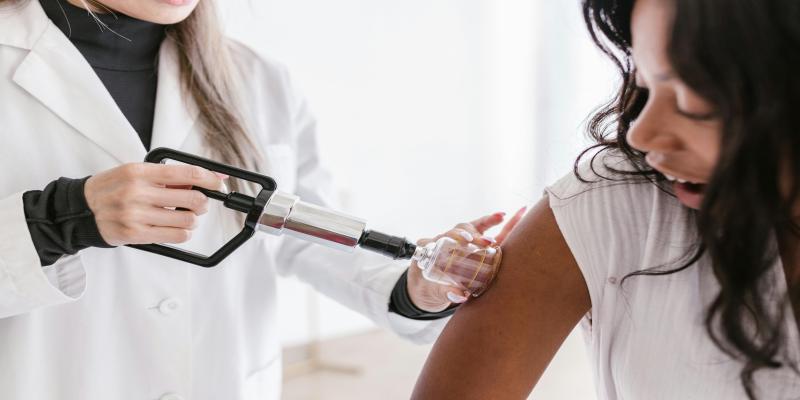
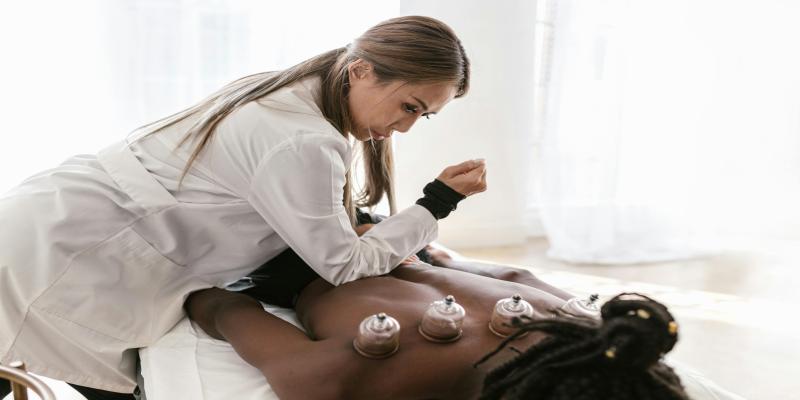
Cupping therapy is an ancient form of alternative medicine in which special cups are placed on the skin to create suction. This suction is believed to aid in reducing pain, inflammation, improving blood flow, promoting relaxation, and enhancing overall well-being.
The practice dates back thousands of years to cultures in Egypt, China, and the Middle East. One of the earliest known medical textbooks, the Ebers Papyrus from Egypt (circa 1550 BCE), mentions cupping as a remedy for various ailments.
How Does It Work?
There are two main types of cupping:
1. Dry Cupping
This involves placing suction-only cups on the skin for several minutes. The vacuum is created either through heating the air inside the cup or using a mechanical pump.
2. Wet Cupping (Hijama)
This method involves making small incisions on the skin after dry cupping and then applying suction again to draw out a small amount of blood. It is commonly practiced in Islamic traditional medicine.
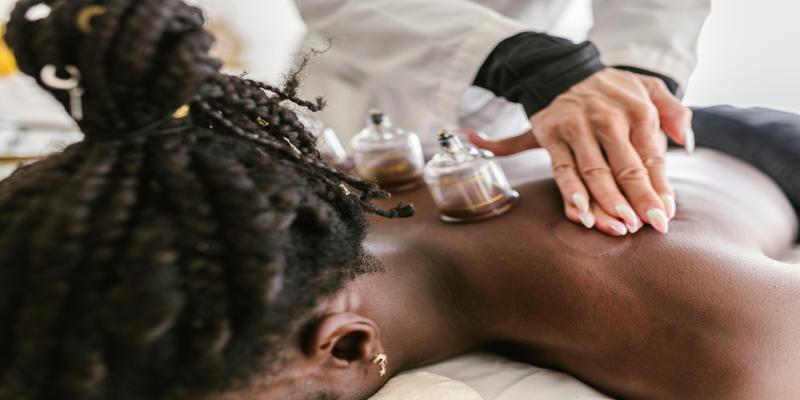
The suction pulls the skin slightly up into the cup, which increases blood flow to the area. Proponents believe this process draws out toxins, relieves muscle tension, and promotes healing.
What Are the Benefits of Cupping Therapy?
While scientific research is still catching up, many people report experiencing the following benefits:
A few studies have shown promising results — for example, some patients with chronic back pain or migraines reported noticeable improvement after regular cupping sessions. However, more rigorous, large-scale studies are needed to confirm its efficacy.
What to Expect During a Cupping Session
Make sure you go to a licensed and trained practitioner to avoid risks like infection or skin irritation, especially with wet cupping.
Is Cupping Right for You?
Cupping is generally considered safe when performed by a qualified professional. However, it may not be suitable for everyone. You should avoid cupping if you:
Always consult your healthcare provider before beginning any new therapy, especially if you have a medical condition.