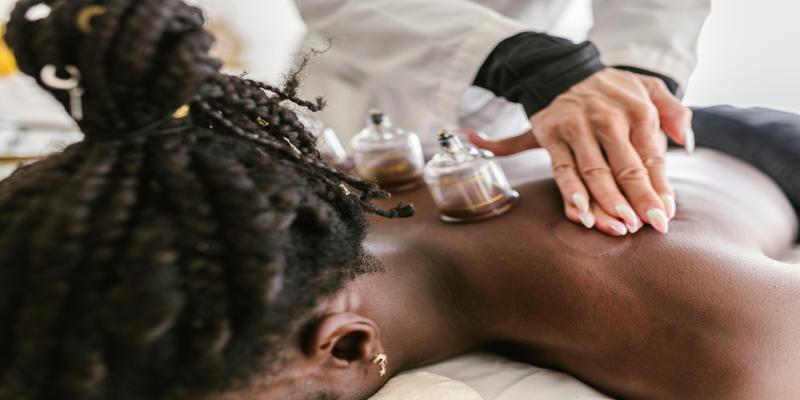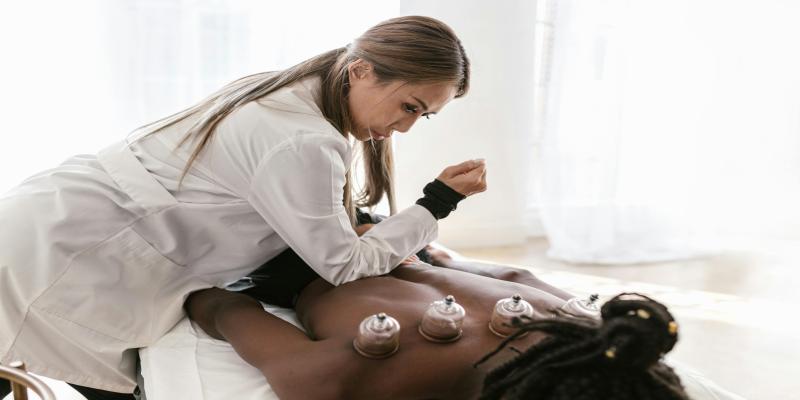
Cupping therapy is an ancient alternative treatment that uses suction from cups placed on the skin to promote healing and pain relief. Originating thousands of years ago, it has gained modern popularity among athletes and celebrities for muscle recovery.
Ancient Origins
Cupping therapy traces back over 5,000 years to ancient Egypt, where the Ebers Papyrus from 1550 B.C. documents its use for fevers, pain, and menstrual issues. It spread to China, Greece, and Rome, with endorsements in early Islamic traditions, evolving as a staple in traditional medicine worldwide. Today, it blends historical roots with contemporary wellness practices.
How It Works
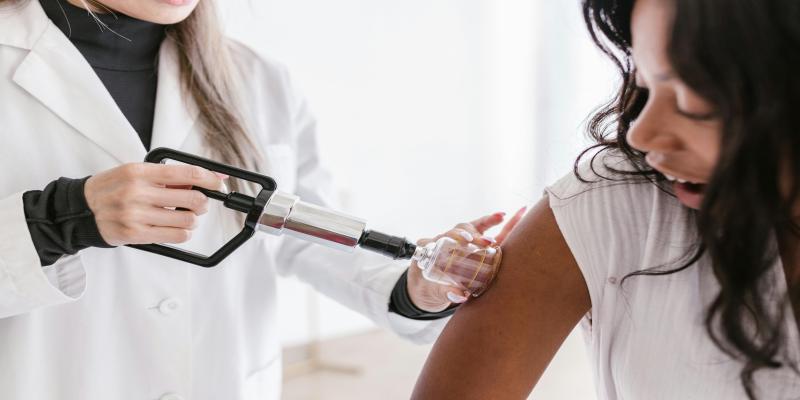
Therapists create suction inside glass, plastic, or silicone cups using heat (fire cupping), pumps, or flame to draw skin and tissue upward. This vacuum stimulates blood flow, lymphatic drainage, and nerve responses, potentially blocking pain signals via large nerve fiber activation. Sessions last 5-15 minutes, with cups stationary or glided over oiled skin.
Types of Cupping
Potential Benefits
Systematic reviews indicate cupping may ease low back pain, neck pain, knee osteoarthritis, migraines, and herpes zoster, often outperforming controls in pain scales. It shows promise for musculoskeletal issues like carpal tunnel and athletes' recovery, with some trials noting improved circulation and sleep. Evidence remains moderate due to study biases, but many report higher cure rates when combined with other therapies.
Risks and Side Effects
Common effects include temporary bruising, redness, swelling, and soreness, lasting days. Serious risks involve burns, infections, scarring, or blood clots, especially with improper hygiene or wet methods. Consult professionals if you have clotting disorders, skin conditions, or allergies; avoid self-treatment for wet cupping.
Modern Popularity
Athletes like Michael Phelps showcased cupping marks at the 2016 Olympics for muscle recovery, boosting its profile. Fighters Conor McGregor and soccer star Karim Benzema use it for endurance and pain management, alongside celebrities like Dwayne Johnson. It's now common in sports rehab and spas.
Athletes incorporate cupping therapy into their routines primarily for faster muscle recovery and enhanced performance after intense training or competitions. The suction from cups boosts blood flow, reduces inflammation, and eases tension, allowing quicker return to peak form.
Key Recovery Mechanisms
Cupping increases circulation to deliver oxygen and nutrients while flushing out metabolic waste, which minimizes soreness and speeds tissue repair. It relaxes tight muscles and fascia, improving flexibility and range of motion essential for agility sports. Studies show immediate effects on fatigue reduction, with benefits lasting post-session for anaerobic performance.
Performance Applications
Athlete Examples
Michael Phelps popularized cupping during the 2016 Olympics, using it for flexibility and muscle relaxation amid grueling swims. Fighters like Conor McGregor and soccer players such as Karim Benzema apply it for endurance and pain management in high-stakes seasons [ from prior context]. It's routine in sports medicine for its non-invasive edge over traditional recovery.
Elite athletes follow structured cupping therapy protocols tailored to training cycles, focusing on dry cupping for safety and efficacy in recovery. These routines emphasize timing, duration, and targeted body areas to optimize blood flow, reduce soreness, and boost flexibility without downtime.
Pre-Competition Protocol
Athletes apply cupping 1-2 days before events to loosen fascia and enhance circulation. Sessions last 5-10 minutes on key areas like shoulders, back, and legs, using moving cups with oil for better glide and range of motion. Michael Phelps used this twice weekly under coach guidance to maintain smooth muscle function during Olympic prep.
Post-Training Recovery
Immediately after intense sessions, static dry cupping targets fatigued muscles for 10-15 minutes to flush waste and cut inflammation. Protocols combine it with stretching or light mobility, repeated 2-3 times weekly, aiding quicker return to training. NBA and NFL players integrate it into daily recovery for shoulders and low back.
Injury Rehabilitation Steps